Instant Pot Review (2026): Which Function Is Actually Worth Using?
This post contains affiliate links. As an Amazon Associate, BuyerGuideLab earns from qualifying purchases — at no extra cost to you.
Verdict: Recommended
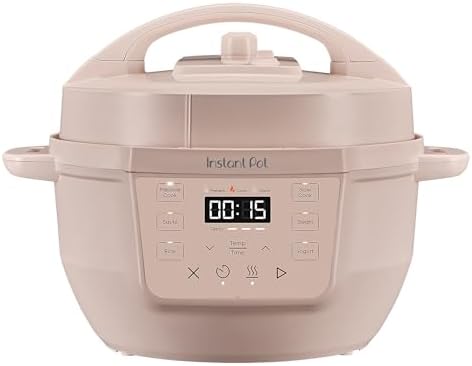
Instant Pot popularized the “one appliance replaces seven” pitch years before Our Place did it for cookware. We looked at whether the pressure cooker, slow cooker, and rice cooker functions actually all perform well, or if some are just checkbox features.
Options We Looked At

What We Liked
- Pressure cooking function is genuinely excellent. Dried beans in 30 minutes, tough cuts of meat tender in under an hour — this is where the appliance earns its reputation.
- Sealed cooking retains more nutrients and flavor than open-pot methods for soups and stews.
- The mini (3–4 qt) size is genuinely useful for singles or couples, not just a smaller version for the sake of it.
What We Didn’t Like
- Rice cooker function is mediocre compared to a dedicated rice cooker — fine in a pinch, not a real replacement if rice is a kitchen staple.
- Learning curve for pressure cooking timing takes a few attempts to get comfortable with, especially converting traditional recipes.
- Slow cook function runs hotter than dedicated slow cookers, which can overcook delicate dishes if you’re not adjusting time.
Which Size Should You Buy?
The 6QT size fits most households of 2–4 people well. Go with the 4QT Mini only if you’re cooking for 1–2 people regularly — it’s a genuinely different use case, not just a discount version.
FAQ
Is Instant Pot actually faster than regular cooking?
For specific foods — dried beans, tough meat cuts, whole grains — yes, significantly. For foods that already cook quickly, the time savings are minimal once you account for pressure build-up and release time.
Do I need the rice cooker function if I already own a rice cooker?
No — a dedicated rice cooker will outperform the Instant Pot’s rice setting. Keep using your dedicated one if you already have it.